Ragdoll Soccer Goalkeeper Guide
Own the box after the goalkeeper update — positioning, claims, communication, and Practice drills that actually stick.
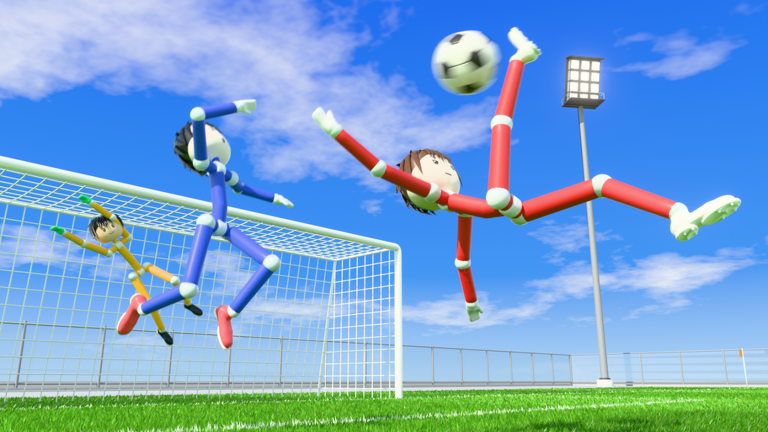
Goalkeeping in Ragdoll Soccer is its own mini-game. You are still a floppy physics avatar, but your job is to claim space, read collision chaos, and stop the second ball after a messy scramble. After the community-facing goalkeeper update, more players are volunteering for the gloves — or getting volunteered by friends in Clubs. This guide turns that role into a skill instead of a punishment.
Before you live in the net, skim Controls for camera and movement basics, How to Score so you understand what finishers are trying to do to you, and Game Modes so you know whether tonight is casual 4v4, structured 8v8 Pro, or a Clubs night. Role ideas also live on the roles tier list.
Mid-article you will find a community goalkeeper update comparison video. Watch it once for visual context on how the update changed keeper play, then come back to the drills below. Do not treat any single clip as a full rules manual — treat it as a before/after feel check, then prove the ideas in Practice.
What “good goalkeeping” means in a ragdoll game
You are not playing a locked camera with perfect dive buttons from a simulation title. In Ragdoll Soccer, keeper value comes from:
- Starting position relative to the goal mouth and the ball
- Early claims when the ball is loose in your box
- Body stability at the moment of contact (not mid-faceplant)
- Communication so defenders do not all dive into the same pile
- Recovery after a save spill so you are ready for rebound number two
Chaos will still happen. Great keepers reduce unnecessary chaos and win the useful chaos.
Positioning after the goalkeeper update
Think in layers, not in heroic lunges:
- Central base. Default near the middle of your goal line / six-yard-ish zone, slightly forward enough to cut angles without standing on the penalty spot for fun.
- Ball-side shuffle. As the ball drifts wide, slide with it. Do not teleport to the post and abandon the near-post cutback lane.
- Claim depth. When a soft touch floats into the box with no clear attacker first touch, step out early and meet the ball. Leaving your line too late is worse than leaving it a half-second early with a stable body.
- Reset after every whistle or clear. In 8v8 Pro, free kicks, throw-ins, penalties, and VAR pauses are free camera-reset gifts. Use them.
Angle cutting without overcommitting
If a finisher approaches from the edge of the box, shuffle so your body covers the bigger half of the net, then hold. Panic sprinting off your line into a 1v1 often gifts a soft touch around you. Soft, composed steps beat theatrical dives when the attacker still has to create contact quality — see the contact ideas on How to Score.
Claiming the box
Claiming is the heart of post-update keeper play:
- See it early. Camera on the ball before it crosses into your zone.
- Call it. Even a short “mine” or “keeper” in chat/voice stops a defender from jumping the same collision.
- Arrive stable. Walk or light jog into the claim when you can. Full sprint claims create comedy own-goals and Pro foul patterns.
- Secure, then clear. First priority is removing the immediate shot. Second priority is directing the clearance away from the densest rebound crowd.
When not to claim
- Three teammates are already stacked on the ball and you would be the fourth ragdoll in a blender
- The ball is still clearly a defender’s first contact outside your area
- You are off-balance from a previous dive and your camera is sideways
Leaving those alone and resetting posture is elite goalkeeping, not cowardice.
Communicating with defenders
Keepers who stay silent force defenders to guess. Simple callouts that work in public 4v4 and shine in Clubs:
- “Keeper!” / “Mine!” — you are claiming
- “Away!” — clear first, do not fancy dribble in the box
- “Leave!” — soft pass or let it run; stop the double-hit
- “Push up” / “Drop” — spacing reminders after a long clearance
- “Reset” — everyone re-orient cameras after a pile
In random lobbies, even one readable chat call changes outcomes. In Clubs, agree on two or three words before kickoff so nobody invents a dialect mid-match. Pair this with role talk from the players hub and tier list roles.
Practice drills for saves and claims
Spend ten to twelve minutes in Practice before you “main” keeper in live matches:
- Minutes 0–3 — Line shuffle. Move left-right along your goal without diving. Keep the camera facing the pitch center.
- Minutes 3–6 — Soft claims. Roll or nudge balls into the box (or chase loose Practice balls) and meet them with calm contacts.
- Minutes 6–9 — Dive discipline. Attempt a dive only when the ball is clearly wide of your standing reach. Count how many dives actually touch the ball versus how many are theater.
- Minutes 9–12 — Rebound readiness. After any contact, immediately re-center camera and take one recovery step toward the likely spill sector.
Then play live matches with one focus: either “no panic off-line sprints” or “call every claim.” Review movement notes on Controls if your camera still drifts at contact.
4v4 vs 8v8 Pro keeper habits
| Habit | 4v4 quickplay | 8v8 Pro |
|---|---|---|
| Starting depth | Slightly braver claims OK | More disciplined line; refs matter |
| Diving | Comedy risk, lower formal cost | Fouls, free kicks, penalties possible |
| Traffic | Fewer bodies, more open angles | Denser box, more second balls |
| Set pieces | Light structure | Penalties, free kicks, throw-ins, VAR — stay switched on |
| Offside help | Less formal | High line awareness helps your defenders |
In 4v4, you will face more individual breakaways and cutbacks. In Pro, you will face more structured restarts and offside-shaped scrapes. Do not import pure meme diving from casual nights into refereed servers — Game Modes explains why Pro punishes that mindset.
Clubs rotation: nobody is stuck forever
Clubs nights die when one friend is locked in goal for two hours while everyone else hunts clips. Fix it with a rotation plan:
- Timed shifts. Example: one match in gloves, then rotate, or ten-minute blocks.
- Skill swaps. The best outfield finisher should still take a keeper shift so they learn what angles look like from the line.
- Volunteer plus backup. One primary keeper, one emergency swap if tilt hits.
- Practice duo warm-up. Two friends in Practice: one shoots soft patterns from How to Score, one claims.
Rotation keeps chemistry high and teaches every Clubs player what “don’t join the keeper’s pile” feels like from both sides.
Common goalkeeper mistakes
- Leaving the line too early into a still-controlled attacker touch
- Camera panic — spinning the view during the shot instead of freezing on the ball
- Joining piles that defenders already occupy, creating own-goal collisions
- Silent box — no calls, so four people hit the same rebound
- Revenge diving after a conceded goal, gifting the next chance
- Skipping Practice because “keeper is just reflexes”
- Ignoring updates — keeper feel can shift; skim Updates after patches and re-test claims
Mentality between the posts
You will concede soft goals. Ragdoll limbs guarantee it. Strong keepers:
- Reset posture within a second
- Talk early on the next ball
- Celebrate defender clears as much as highlight saves
- Track claims won and rebounds controlled, not only clean sheets
If you want clip energy, earn it with composed positioning first. The mid-page update comparison video is motivation and context — your Practice block is the real upgrade path.
Where to go next
- Movement refresh: Controls
- Think like a finisher: How to Score
- Pick the right lobby: Game Modes
- Role language: Players and Roles tier list
- Patch awareness: Updates
- Full tutorial map: Guides Hub
Own your starting spot, claim with a stable body, talk to your defenders, and rotate in Clubs so the gloves stay fun. That is how Ragdoll Soccer goalkeeping stops being a meme assignment and becomes a winning habit.
Frequently Asked Questions
Quick answers for Ragdoll Soccer players.
How do I play goalkeeper in Ragdoll Soccer after the update?
Focus on angle-cutting position, early stable claims in the box, clear callouts to defenders, and Practice drills before live matches. Watch the mid-article update comparison for visual context, then test habits in Practice.
Should I always rush off my line in 1v1s?
No. Shuffle to cut the bigger angle, stay balanced, and claim only when the ball is truly loose. Early panic sprints often get soft-touched around you.
How is keeping different in 4v4 vs 8v8 Pro?
4v4 is more open and forgiving of experimental dives. Pro adds referees, set pieces, VAR, and offsides — play more disciplined and stay alert on restarts.
How do we stop one friend always being keeper in Clubs?
Use timed rotations or match-based swaps, warm up shooter/keeper pairs in Practice, and make sure strong outfield players take glove shifts too.
What is the fastest Practice plan for keepers?
About twelve minutes: line shuffles, soft claims, selective dive reps, then rebound camera recovery. Play your next match with one focus habit only.